Liberia Animal Welfare: Monitoring Results of Humane Education

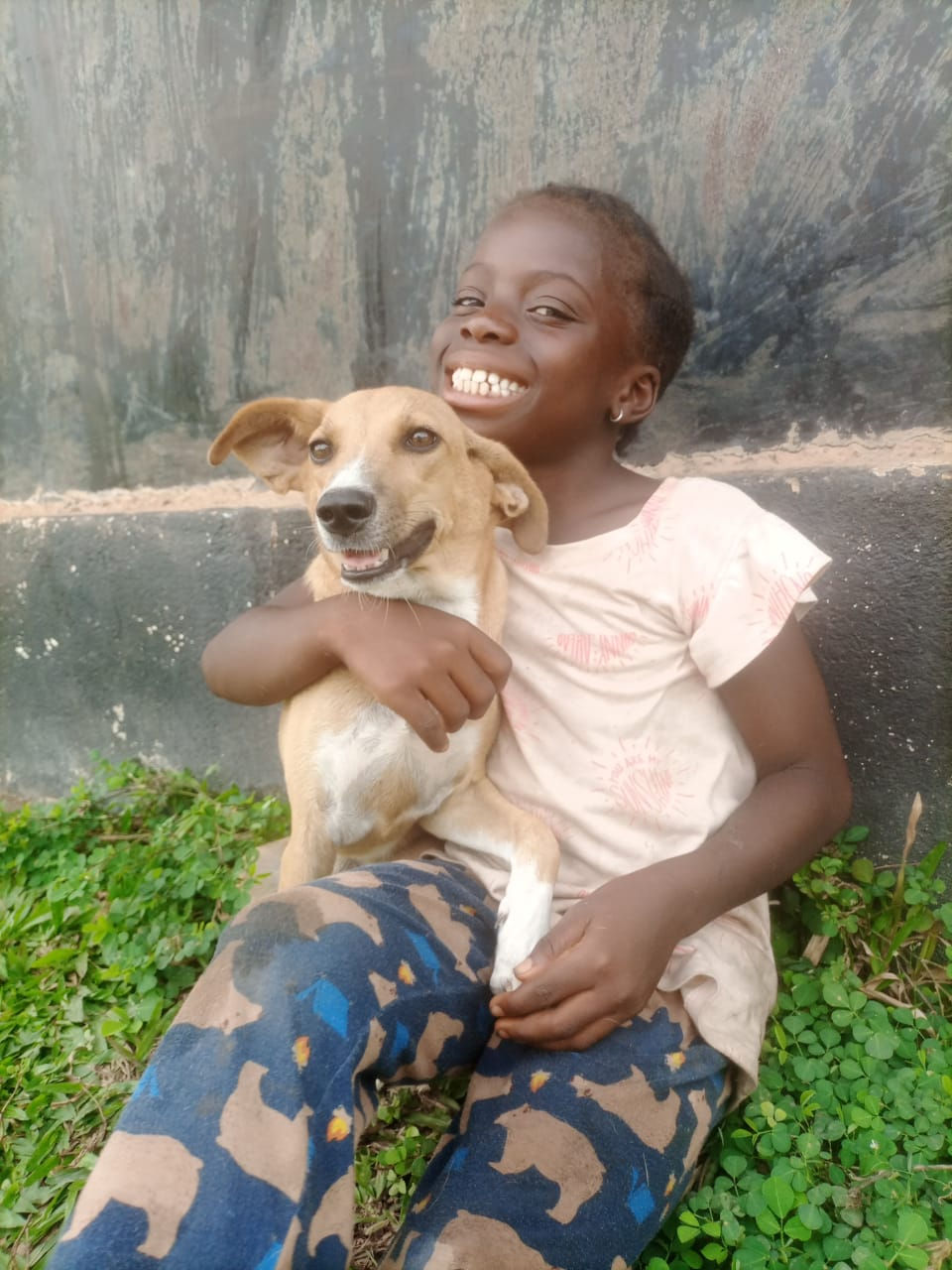
In our previous AKI Blog post about our work with our Partner Organization, Liberia Animal Welfare & Conservation Society, we said that Liberia's Humane Education Program is having positive results; it is changing lives. We talked about the kids who have been influenced by the LAWCS HE Program. LAWCS always has great stories to tell and beautiful images to go with them.
After 10 years as a Partner Organization, mainly supporting the LAWCS HE Program and their animal care clinics, together with LAWCS, we decided we'd like to dig deeper:
How has humane education changed the kids who have participated (by now, many, many thousands)?
Have they changed their attitudes?
Their behaviors?
Do they have compassion for animals?
How has this manifested in their lives?
Did any of them train to become an animal welfare/health care professional?
Thanks to an AKI volunteer (our Friendly Audit Program), we'll soon find out more about how the LAWCS HE Program has impacted students in the short, medium, and long-term.
And while we're at it and have access to this highly skilled volunteer, we decided to gather more data about the LAWCS animal health care clinics:
Have the free clinics changed the way people feel about their pets?
How has access to pet health care changed the way people treat their pets, including interactions between all family members and their pets?
Have attitudes, behaviors, and feelings improved towards animals in general, including dogs and cats living on the street?
Would they be willing to pay for pet health care?
We're excited to be helping LAWCS produce and implement a Monitoring, Evaluation, & Learning (MEL) Plan to answer these questions and more!
The answers will be important for LAWCS and will help them adjust their programs to meet the needs of their clients (including their animal clients). They'll be important in helping us figure out how we can best assist LAWCS. And we believe the answers will be important for donors, as well.
But the results from the MEL exercise will be even more far-reaching. Given the sparsity of good data, especially about Humane Education outcomes, we believe this will be a model for other animal welfare organizations.
Liberia Animal Welfare & Conservation Society has significant experience in humane education, and may have one of the longest and continuously running humane education programs in Africa, outside of South Africa. They are well-placed to dig deeper, gather evidence, and show results.
As much as we love them and they bring joy to our hearts, we're excited that soon we'll have more data to go with these lovely photos.