

Sterilize to Transform the Lives of Cats & Dogs: Rivadeneira Sterilization Center, Ecuador

Animal-Kind International awarded a grant, one of 13 under our 8th annual Animal Welfare Organization Grant Program, to the Rivadeneira Sterilization Center in Ecuador. We also granted them a top-up award (given to five of our 2025 grantees) because of the great work they did on their grant project, Sterilize to Transform Lives. The top-up allowed them to continue sterilizing dogs and cats in remote parts of Ecuador, reaching a total of 86 animals.
From September 2025 to February 2026, the Rivadeneira Sterilization Center visited six communities (Sandalan, Bilován, San Pablo, San Vicente, El Ripio, El Paraíso de los Andes) to raise awareness among 76 people and distribute 375 informational fliers in plazas and markets, communities, and schools about the importance of sterilization and responsible pet ownership.
Luis Miguel Romero, Project Coordinator, took the lead in carrying out these activities and a community member usually joined him.
Importantly, Luis went from house to house and was able to observe the precarious condition of the pets in those homes. He evaluated the health status of the female dogs eligible for sterilization and talked to the guardians about the importance of sterilization. And he signed pets up for the upcoming sterilization campaigns.


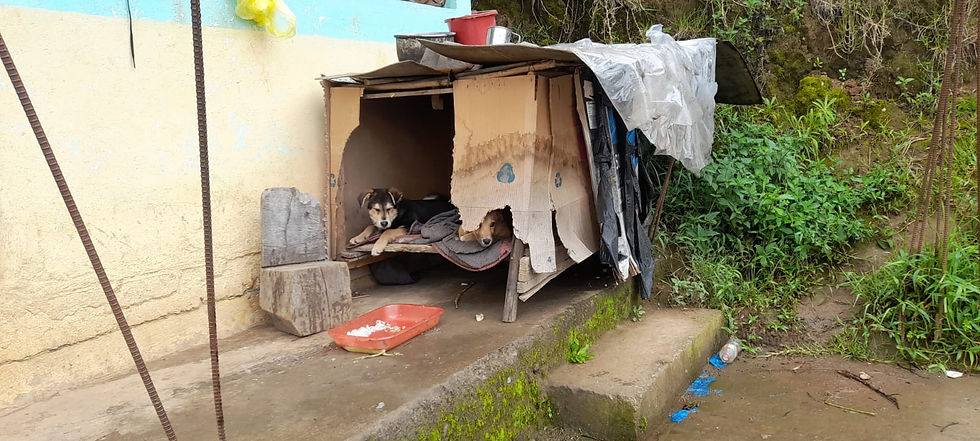
At many of the homes, Luis found elderly people. Due to Ecuador's economic crisis, young people have migrated, leaving the elderly alone with their animals.


Luis also visited schools in the area to raise awareness of responsible pet ownership.

With the base grant (46 animals) and then with the top-up award (40 animals), the Rivadeneira Sterilization Center sterilized a total of 86 dogs and cats from low-income families in rural areas in the province of Bolívar. Thanks go to Dr. Silvia and her assistant Leidy for performing surgeries. The home visits and neighbors helping their elderly neighbors get their pets to the campaign locations were key to making this project the great success it was.
These are some of the pets and their families who benefited from the Sterilize to Transform Lives project.


The Rivadeneira Sterilization Center did all of this in the midst of a tense time in Ecuador. In September and October, the country experienced unrest stemming from an increase in fuel prices. Protests and road blockades prevented the team from reaching San Pablo safely during the last week of September. Also, individuals with political motives tried to take credit for the Sterilization Center's hard work, which made for some uncomfortable situations.
The Sterilization Center handled these tough situations very professionally and neither roadblocks nor politicians put a damper on their efforts.
When they were done, Luis realized that although dismantling the myths and prejudices that people had about sterilization--and sterilizing their pets-- was their first mission, just as important was the experience they had
"Delving into the homes of small towns and sharing life with humble families was an experience that awakened our sensitivity to realities that had remained foreign to us. We encountered men and women facing illness and loneliness in their own homes, with children growing up with their grandparents while their parents seek a future far from home. But we chose not to be mere spectators. We decided to knock on doors, sit patiently next to an elder, listen to their stories with our hearts, and shake their hands with affection. And it was in that genuine encounter where we witnessed the magic: seeing their faces light up when they talked about their animals."
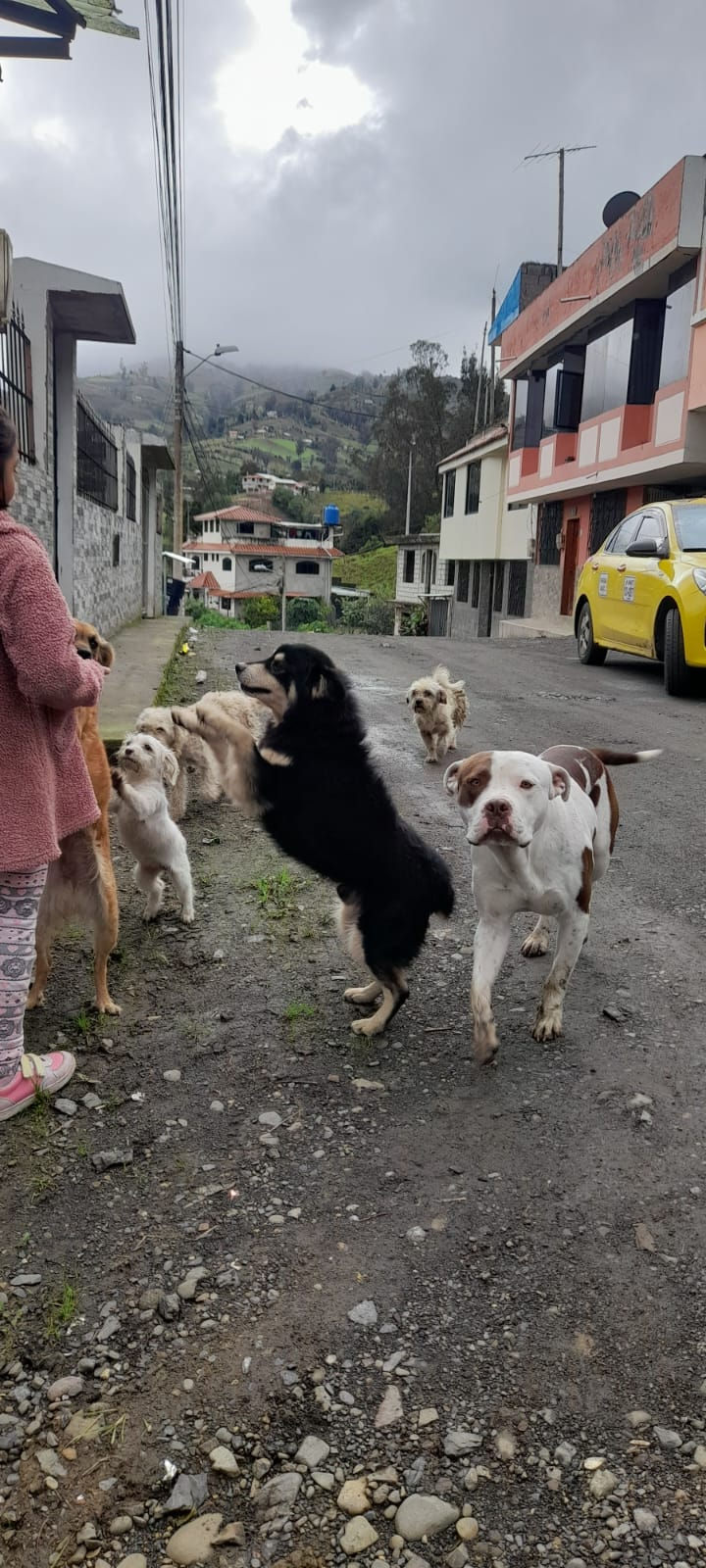
Luis and his team also learned that there's still so much to be done. Through the AKI grant, the Rivadeneira Sterilization Center reached deep into rural Ecuador. But to continue --and be effective and efficient--in these remote ares of Ecuador, they hope to acquire their own transportation, a mobile spay/neuter unit.


