

Tanzania Small Animal Veterinary Organization traps-neuters-vaccinates-releases
- Animal-Kind International
- 4 hours ago
- 3 min read
Tanzania Small Animal Veterinary Organization received their 3rd grant from Animal-Kind International (2023, 2024, and 2025) to trap-neuter-vaccinate-release dogs and cats to humanely manage the street animal population in Dar es Salaam.
As in previous years, TASAVO targeted areas with many free-roaming cats and dogs, where TASAVO had received many complaints about them, and where the animals were at risk of being poisoned or shot.


TASAVO'S 7-MONTH TRAP-NEUTER-VACCINATE-RELEASE SUMMARY
| SEPT | OCT | NOV | DEC | JAN | FEB | MAR | TOTAL |
DOG SPAYS | 23 | 5 | 5 | 6 | 13 | 6 | 2 | 60 |
CAT SPAYS | 17 | 10 | 11 | 15 | 16 | 11 | 14 | 94 |
DOG NEUTERS | 23 | 8 | 10 | 7 | 8 | 10 | 4 | 70 |
CAT NEUTERS | 33 | 15 | 15 | 12 | 11 | 12 | 19 | 117 |
TOTAL | 96 | 38 | 41 | 40 | 48 | 39 | 42 | 344 |
In addition to spay and neuter, TASAVO treated many injuries and sick animals, some of whom could not be helped and were humanely euthanized. Happily, some animals weren't returned to the community and were adopted to loving homes.


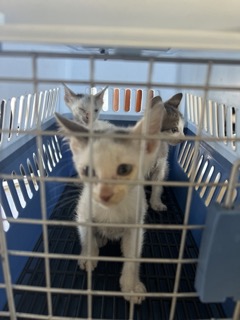

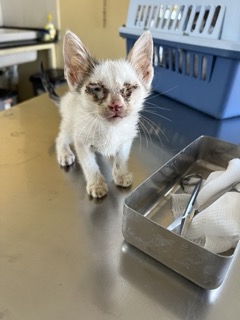

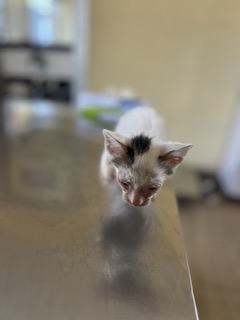
Above: In November, TASAVO rescued four stray kittens in Kigamboni. At the TASAVO clinic, the kittens were de-wormed and treated for eye infections. Instead of returning them, TASAVO decided to try to find them good homes. Once they were healthy, all of them were adopted by one person, known to TASAVO as someone who loves cats and takes very good care of them. When old enough, TASAVO sterilized the four kitties.
One very critical aspect of TASAVO's grant project--and a reason for the success of their TNVR activities--is their community education on dog and cat welfare and TNVR as a means of humane population control. During the grant period TASAVO trained:
About 220 community members (adults)
About 300 local children and students
70 government officials
Another very important part of TASAVO's grant project was that they encouraged participation of newly graduated vets/vet assistants and vet students so they can learn--firsthand--about TNVR and animal welfare. During the grant project TASAVO trained 20 veterinary students, all of whom participated in each phase of TNVR. Eleven vet assistants also participated. For many of these vets, assistants, and students, it was their 1st time participating in TNVR.


TASAVO's staff are all volunteers; these young vets believe in giving back to their community and are changing the mindsets of local people towards free-roaming animals.

We asked Dr Thomas Mayani, one of TASAVO's vets and manager of the AKI grant, what results he's seen after 3 years of AKI funding and so much effort going towards TNVR and community education. He told us,
"One lesson learnt is about the community attitude towards the whole project. We have seen change in attitude compared to when we started doing TNVR. A big number of people understands that cats and dogs can lively harmoniously with our community, they don’t have to be killed, they don’t have to disappear from our habitats they can live with people in good welfare if they are sterilized and do not overpopulate.
People were concerned not because of their existence but because they kept breeding at a rate that the increasing population started changing the colony behavior to more fighting and noise, more road kills, more stealing in markets from business owners, more cats begging for food in open restaurants where people eat and these made business owners furious and hate them but with TNVR in those places it completely changed the people's mindset."

We couldn't ask for a better result!